How Spray Foam Helps Lower HVAC Costs in DFW
Why North Texas homes with spray foam consistently see lower utility bills and better HVAC performance.
Dallas–Fort Worth homeowners spend significantly more on summer cooling than most of the country. Spray foam attacks the root cause: heat entering the home through leaky attics, ducts in extreme heat, and air infiltration through gaps that fiberglass cannot seal.
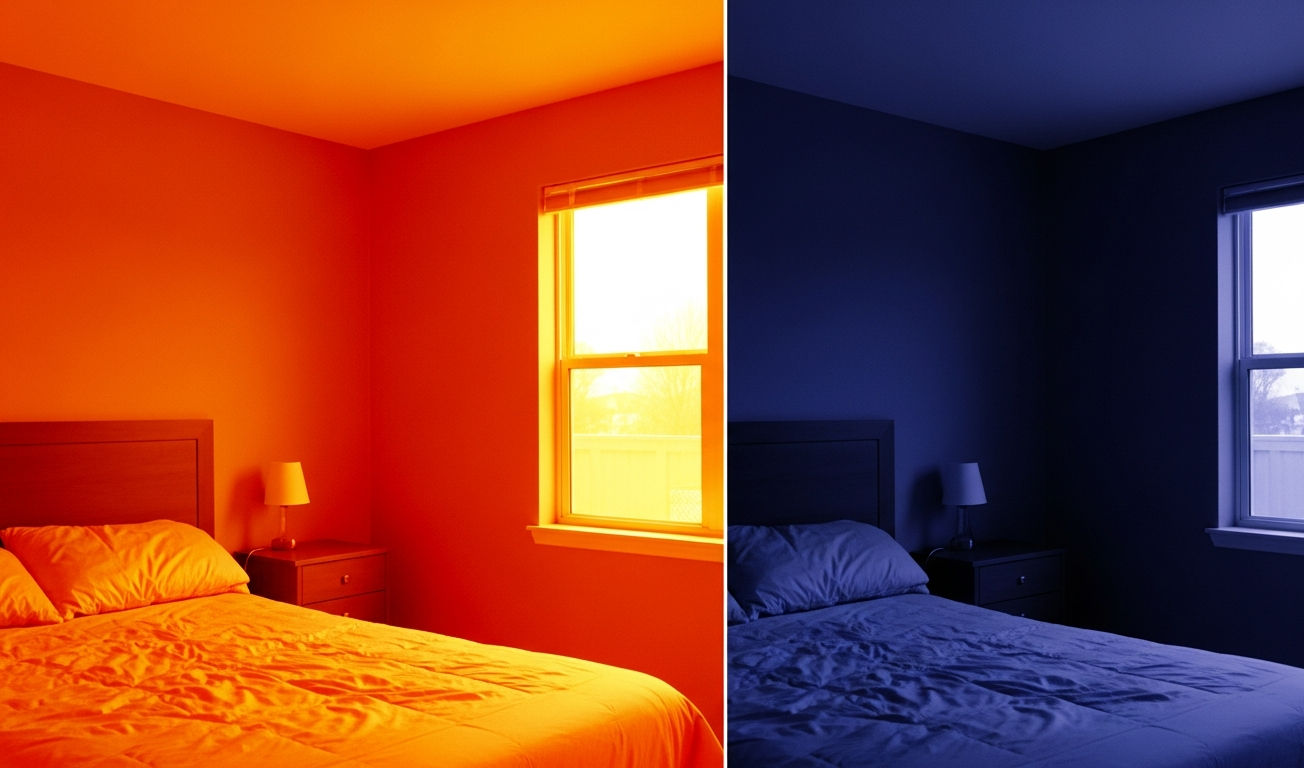
The Biggest Source of HVAC Waste in DFW Homes
The most significant energy waste in most North Texas homes is duct heat gain in unconditioned attics. When ducts sit in a 140°F attic, the conditioned air inside them heats up before it reaches the room, forcing the HVAC to run longer to deliver the same result.
Spray foam on the roof deck converts the attic to a conditioned space, bringing attic temperature within 10–20°F of indoor temperature. This single change often creates the most dramatic bill reduction.
How Spray Foam Reduces HVAC Energy Consumption
- Reduces duct heat gain from attic thermal penalty
- Lowers infiltration heat load (less outdoor air entering)
- Reduces humidity load (less latent load on the system)
- Stabilizes room temperatures (HVAC cycles less)
- Reduces compressor run time
- Improves delivered air temperature at registers
- Allows downsizing of HVAC in new construction
HVAC Longevity Benefits
When the HVAC system no longer fights extreme attic duct heat, infiltration load, and humidity swings simultaneously, it experiences less compressor strain and fewer runtime hours. This translates to longer equipment life, fewer service calls, and delayed replacement cycles.
Many DFW homeowners report that after roofline foam, their HVAC systems run shorter, less frequent cycles, even during the hottest weeks of the summer.
Best ROI Zones for HVAC Savings in DFW
- 1Attic roof deck (highest impact: protects all ductwork)
- 2Room over garage (often the most under-served space)
- 3West-facing exterior walls (high afternoon solar gain)
- 4Rim joists (significant infiltration reduction)
- 5Crawl space encapsulation (reduces humidity load)
- 6Detached office or shop (mini-split efficiency improvement)
Related Reading
Want to Reduce Your DFW Utility Bills?
Texas Foam Pro will identify the highest-ROI insulation upgrades for your specific home and HVAC configuration.